10 Defenses to a DUI Charge
10 Common DUI Defenses in Texas
Facing a DUI or DWI charge in Texas can feel overwhelming, but an arrest does not automatically mean a conviction. Every case depends on the evidence, the legality of the traffic stop, the accuracy of testing procedures, and whether law enforcement followed proper protocol. In many situations, DUI defense strategies focus on challenging how the stop, investigation, or arrest was handled. Even small procedural mistakes can affect whether evidence is admissible in court. Understanding the most common DUI defenses can help you better understand your rights and the legal issues that may arise in a Texas DWI case.
Key Takeaways
- DUI charges can sometimes be reduced or dismissed based on weaknesses in the evidence
- Traffic stops and arrests must meet legal standards under Texas law
- Breathalyzer and field sobriety tests are not always reliable
- An experienced DWI defense attorney can evaluate whether police followed proper procedures
Illegal Traffic Stops
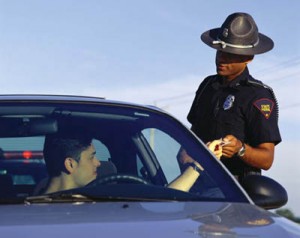
One of the strongest DUI defenses involves challenging the legality of the initial traffic stop. Police officers must have reasonable suspicion that a traffic violation or criminal offense occurred before pulling a driver over. If the stop was unlawful, evidence collected afterward may be excluded from court proceedings, including breath test results and officer observations. Questions about unlawful stops sometimes arise in situations involving roadblocks or checkpoint-style enforcement. Although many states allow sobriety checkpoints, sobriety checkpoints remain illegal in Texas. Understanding the limits of police authority during traffic stops can play an important role in a DUI defense case.
Problems With Field Sobriety Tests
Field sobriety tests are commonly used during DWI investigations, but they are not always accurate. These tests are highly subjective and can be influenced by many unrelated factors, including medical conditions, anxiety, fatigue, poor weather conditions, uneven pavement, or physical limitations. Officers may rely heavily on these tests when deciding whether to make an arrest, even though performance can vary significantly from person to person. Because of this, DUI defense attorneys often examine whether the tests were administered correctly and whether environmental or medical factors could have affected the results.
Inaccurate Breathalyzer Results
Breathalyzer machines must be properly maintained, calibrated, and operated to produce reliable results. If the machine was not functioning correctly or if proper testing procedures were not followed, the results may be challenged. Certain conditions can also affect breathalyzer readings, including:
- acid reflux
- diabetes
- low-carbohydrate diets
- residual alcohol in the mouth
In some cases, the defense may question whether the breath test accurately reflected the driver’s blood alcohol concentration at the time they were operating the vehicle. This issue is particularly important in cases involving first-time DWI charges in Texas, where drivers may not fully understand how chemical testing procedures work or how those results can be challenged.
Rising Blood Alcohol Concentration
Alcohol absorption takes time. A driver’s blood alcohol concentration may continue rising after they stop drinking, meaning their BAC at the time of testing could be higher than it was while driving. If there was a significant delay between the traffic stop and the chemical test, the defense may argue that the driver was below the legal limit when operating the vehicle. This defense often requires careful review of timelines, receipts, witness statements, and testing records.
Medical Conditions That Mimic Intoxication
Some medical conditions can produce symptoms that resemble intoxication, including slurred speech, poor balance, bloodshot eyes, or confusion. Conditions that may affect DUI investigations include:
- diabetes
- neurological disorders
- hypoglycemia
- anxiety disorders
- fatigue or sleep deprivation
In certain cases, medical documentation or expert testimony may help explain behavior that officers interpreted as signs of impairment.
Improper Police Procedures
DWI investigations must follow strict legal procedures. Officers are expected to administer tests properly, document evidence accurately, and respect constitutional protections during the arrest process.
Mistakes involving:
- improper test administration
- failure to observe the driver before testing
- inaccurate police reports
- Miranda rights violations
- mishandling evidence
can all become important issues in a DUI defense case. When procedural errors occur, the defense may seek to suppress evidence or challenge the reliability of the prosecution’s case.
Lack of Probable Cause for Arrest
Even if a traffic stop itself was legal, officers must still establish probable cause before making an arrest. Probable cause generally requires more than a vague suspicion. Officers must point to specific observations or evidence supporting the belief that the driver was intoxicated. If the arrest lacked sufficient legal justification, the defense may challenge whether the arrest itself was valid.
Witness Testimony and Other Evidence
Witness testimony can sometimes help challenge the prosecution’s version of events. Passengers, bartenders, restaurant staff, or other individuals may provide important context about the driver’s behavior before the arrest. Video footage, receipts, GPS records, and surveillance footage may also become important in disputing timelines or allegations of impairment. Because every DUI case depends heavily on evidence, early investigation is often critical.
Common DUI Defense Issues in Texas
How a Texas DWI Defense Attorney Can Help
A DUI defense attorney does more than argue in court. Early case evaluation often involves reviewing police reports, body camera footage, breathalyzer maintenance records, testing procedures, and witness statements. An attorney may identify procedural errors, weaknesses in the prosecution’s evidence, or constitutional issues that could affect the outcome of the case. In some situations, legal challenges may result in reduced charges, suppression of evidence, or dismissal. Because Texas DWI laws are complex, acting quickly after an arrest can make an important difference in preserving evidence and building a defense strategy.
Frequently Asked Questions
Can DUI charges be dismissed in Texas?
Yes. Charges may be reduced or dismissed if there are legal or evidentiary problems in the case.
Are field sobriety tests accurate?
Not always. Many factors unrelated to alcohol consumption can affect performance.
Can medical conditions affect breathalyzer results?
Yes. Certain medical conditions and substances can produce inaccurate readings.
Are sobriety checkpoints legal in Texas?
No. Sobriety checkpoints are generally illegal in Texas.
Should I hire a lawyer for a first-time DWI?
Even first-time DWI charges can carry serious penalties and long-term consequences.
Speak With a Texas DWI Defense Attorney
DUI and DWI charges can have lasting consequences involving your license, employment, insurance, and criminal record. Understanding your legal options early is important.
At Carroll Troberman, PLLC, we help clients throughout Austin defend against DWI and DUI charges, including first-time offenses and complex criminal cases.
Contact us today to schedule a consultation.